High-Throughput Financial Pipelines
Lead Solution Architect
Project Audio
Ready
Ready
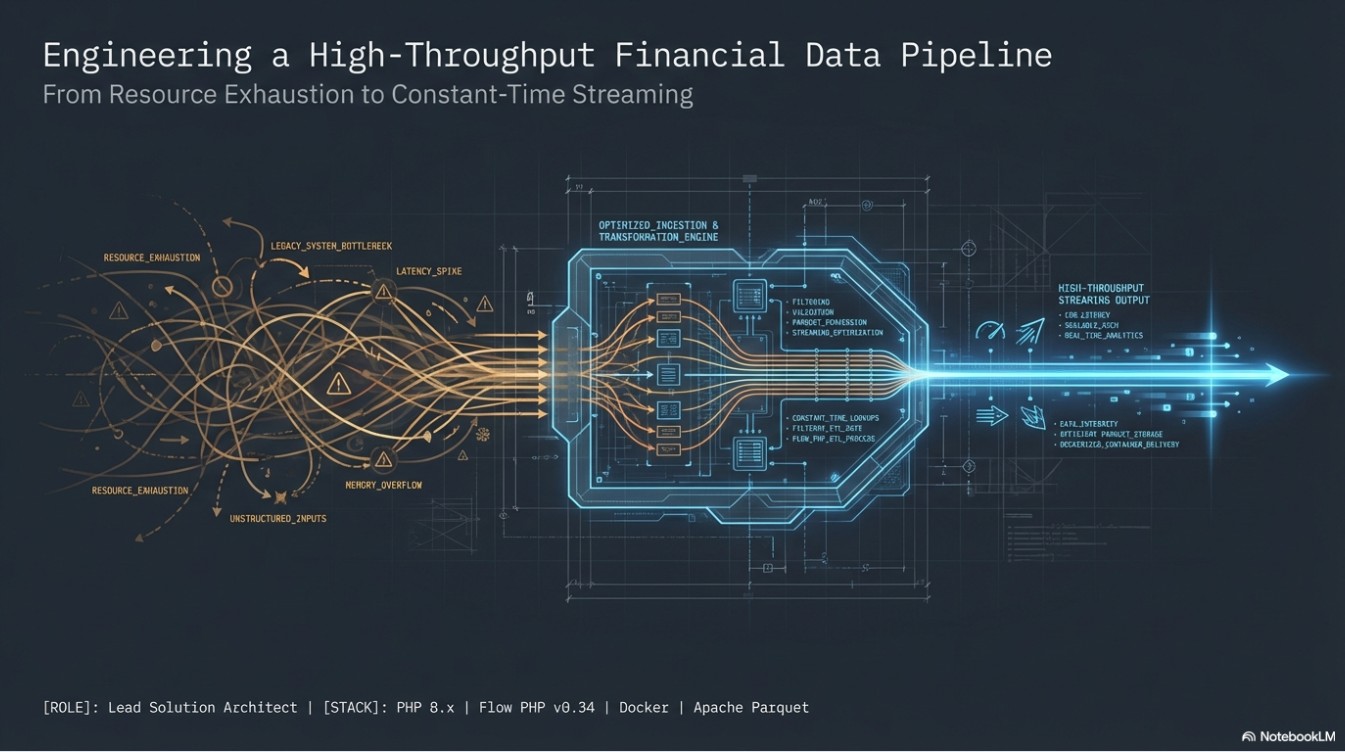
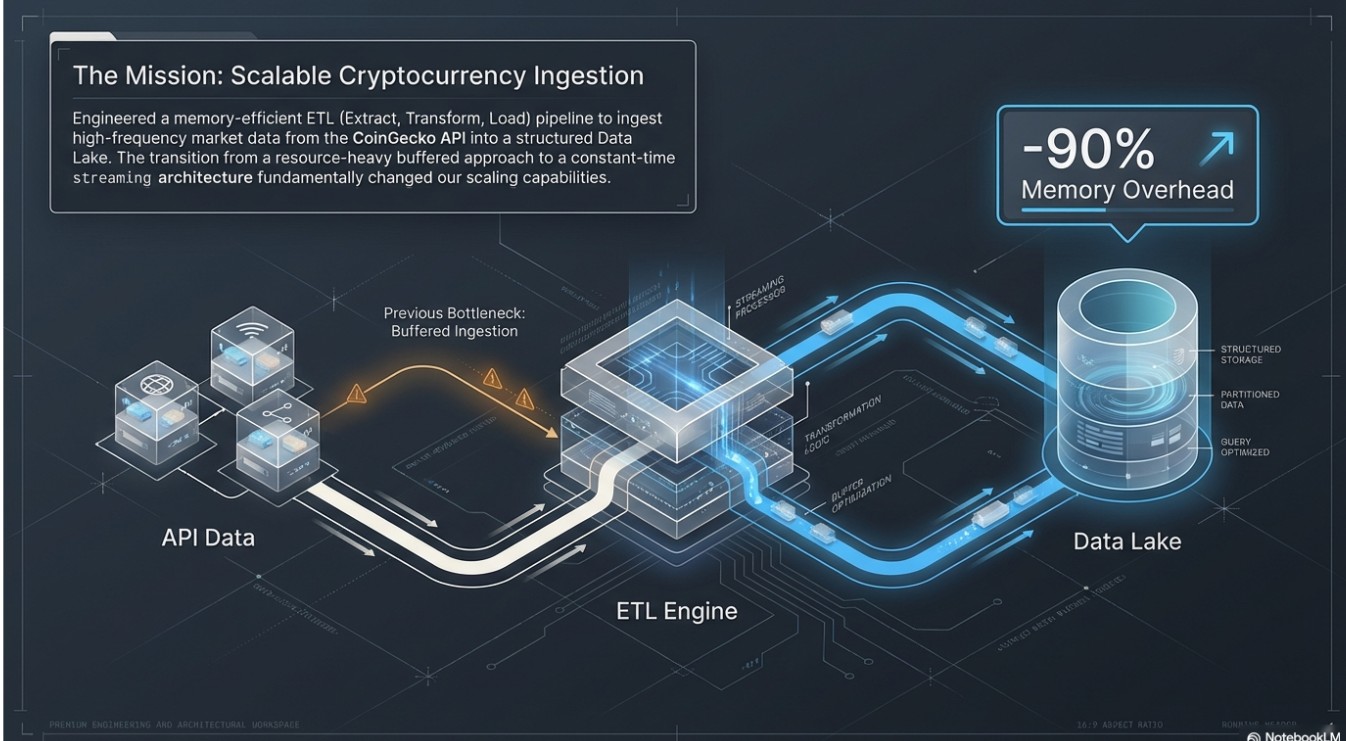
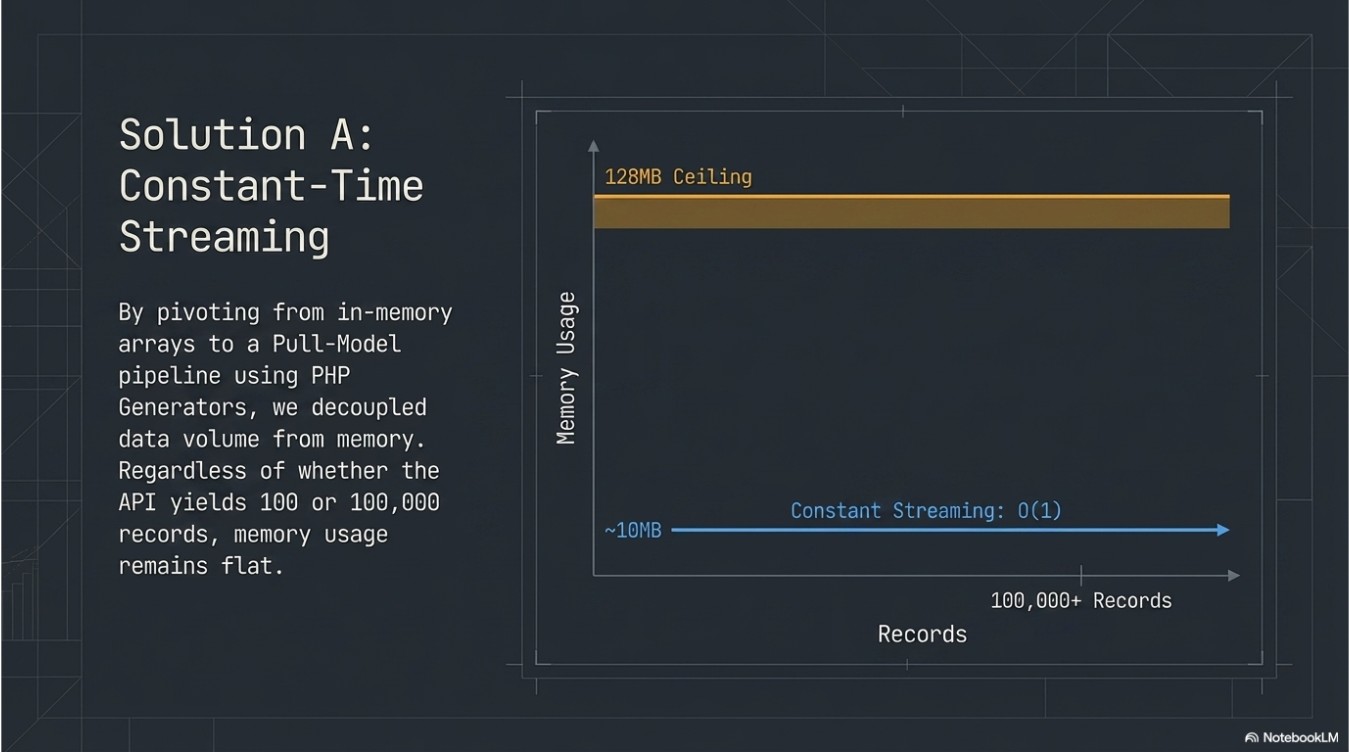
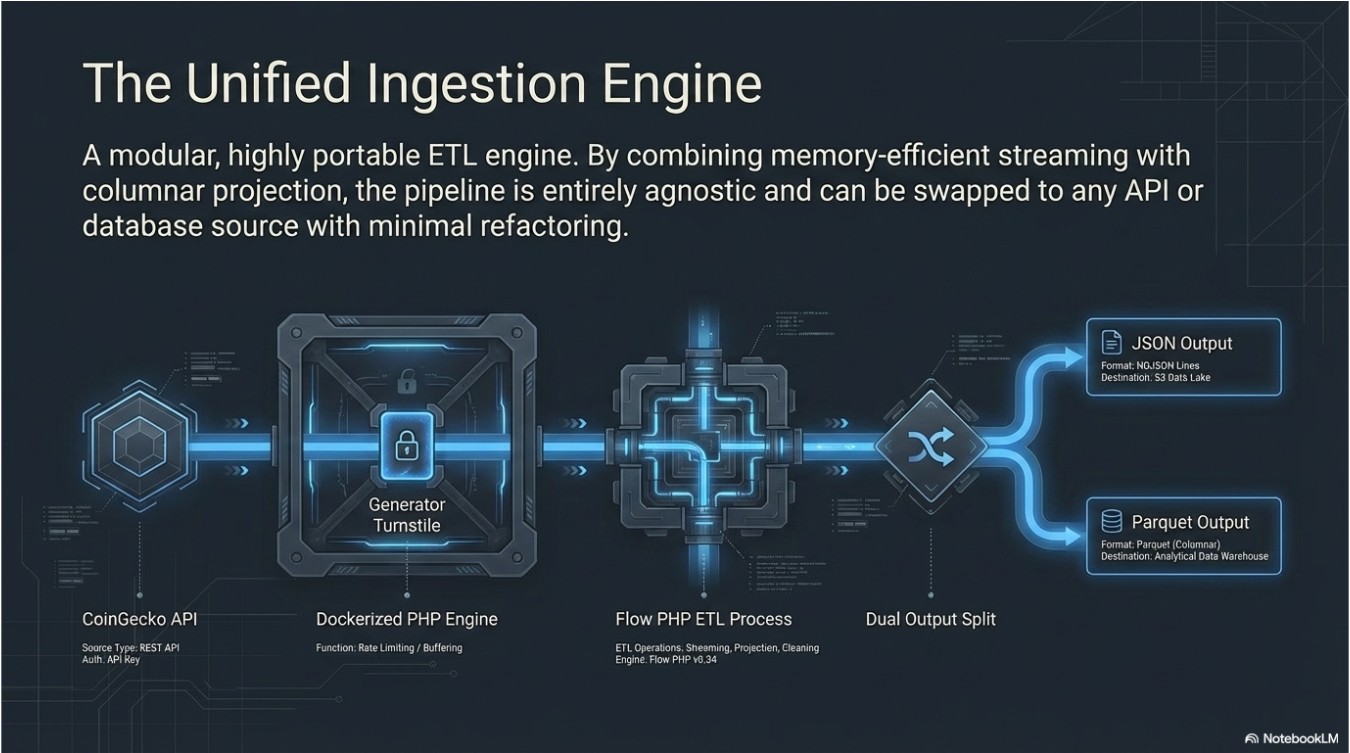
Engineered a memory-efficient ETL (Extract, Transform, Load) pipeline to ingest high-frequency cryptocurrency market data into a structured Data Lake. The solution successfully transitioned from a resource-heavy buffered approach to a constant-time streaming architecture, reducing memory overhead by over 90%.
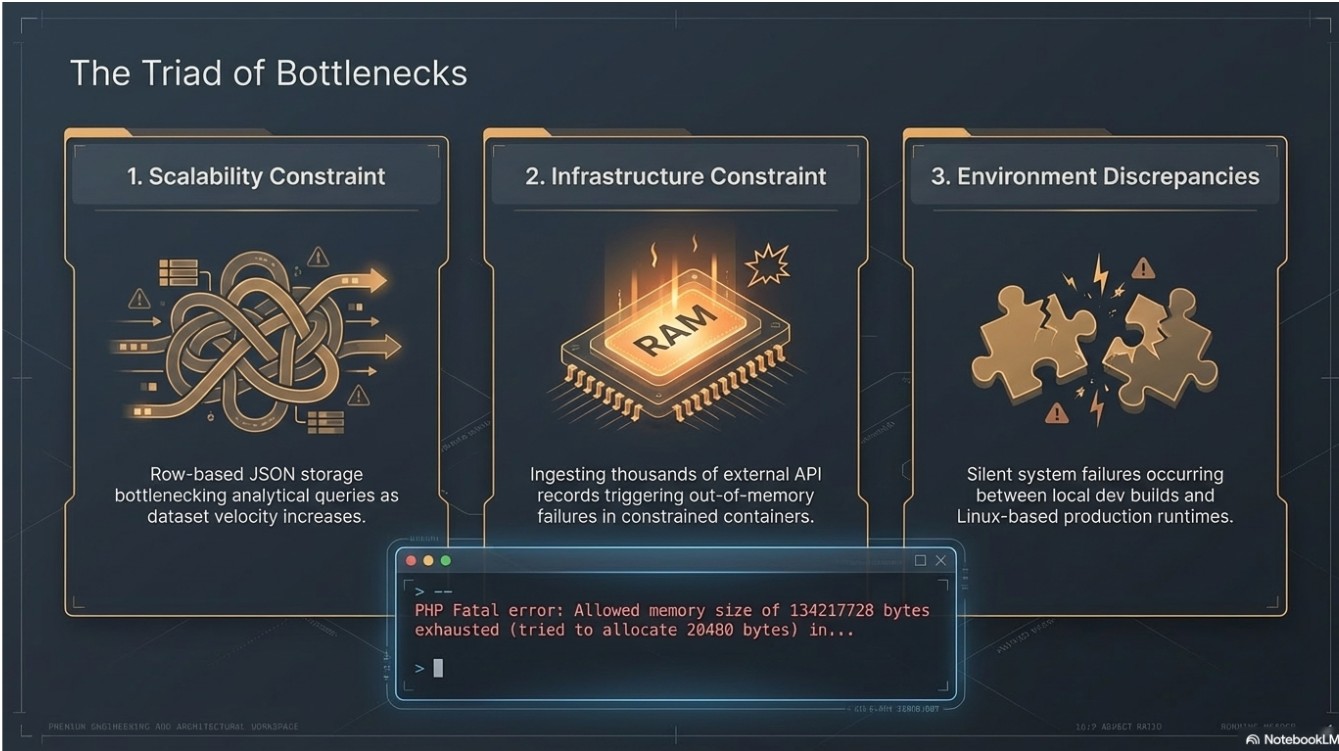
1. The Problem Statement
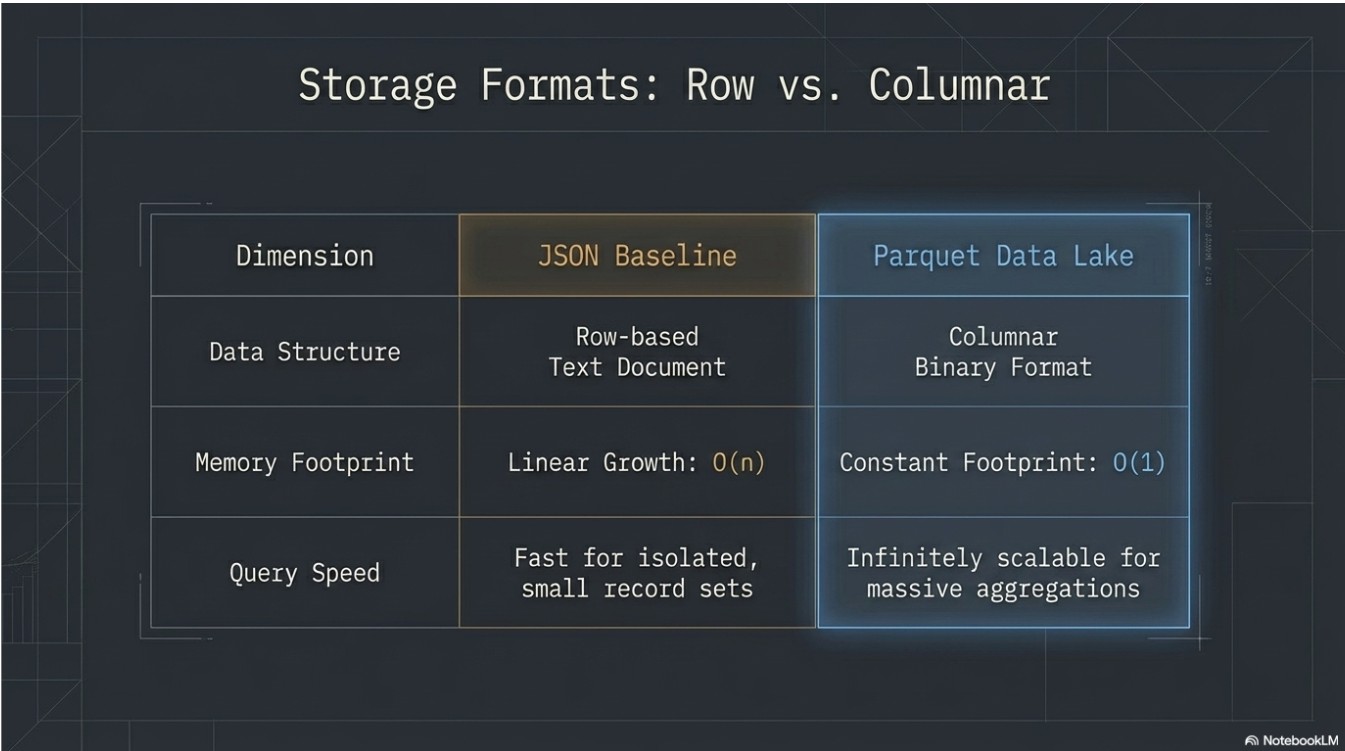
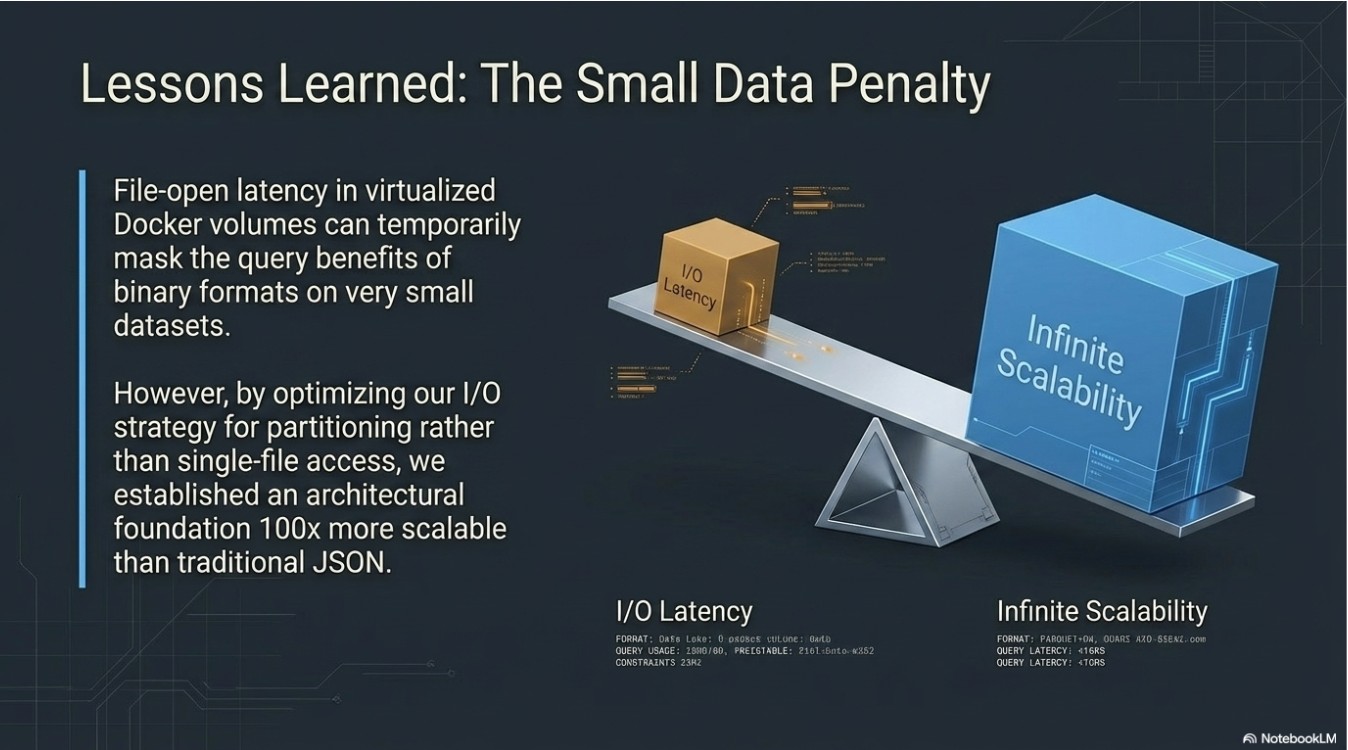
- Scalability Bottlenecks: Traditional row-based storage (JSON) was becoming a bottleneck for analytical queries as the dataset grew.
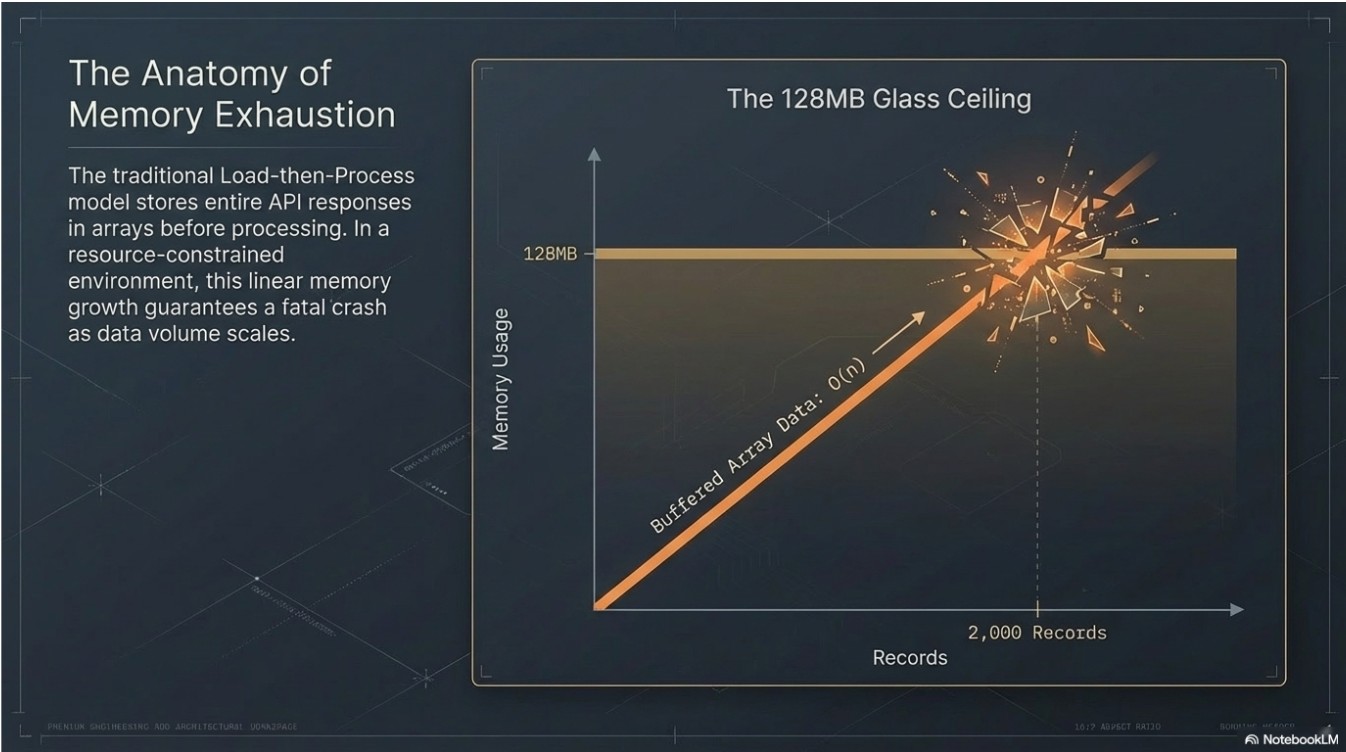
- Infrastructure Constraints: Ingesting thousands of records from external APIs frequently triggered E_ERROR: Allowed memory size exhausted in resource-constrained Docker environments.
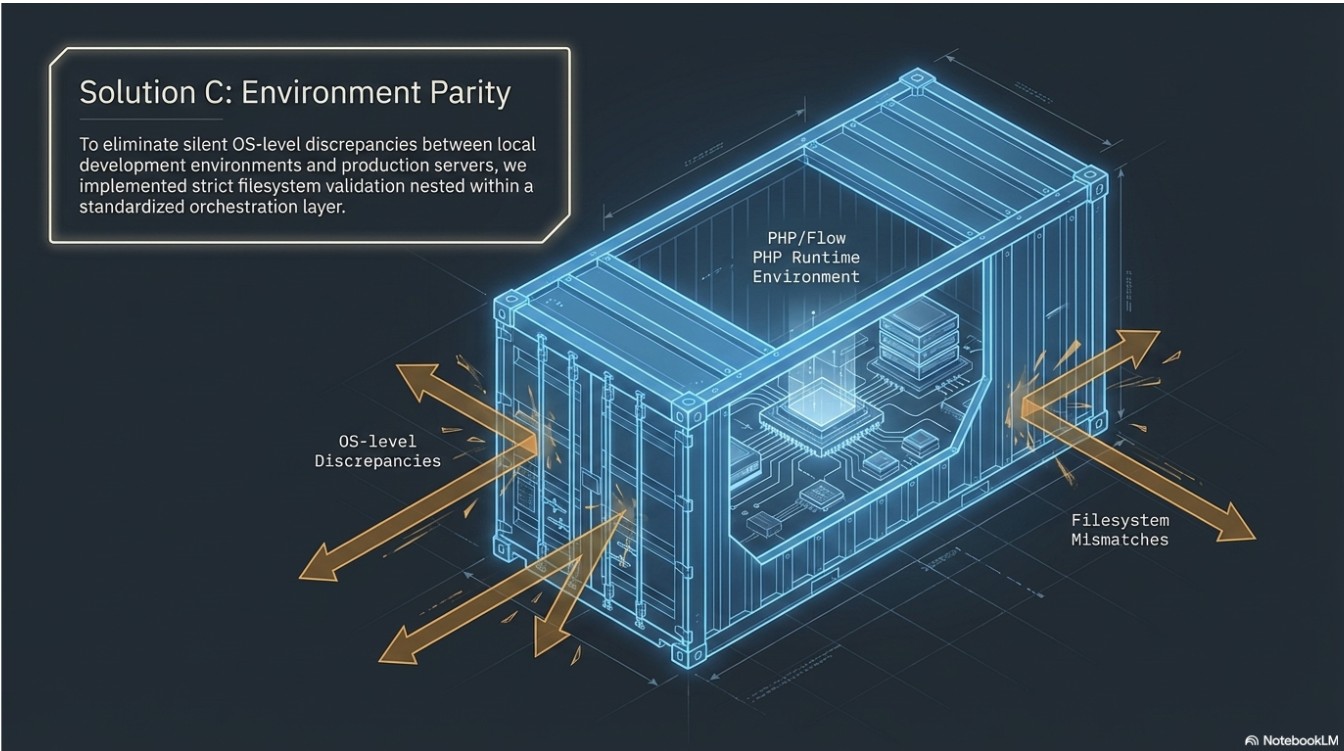
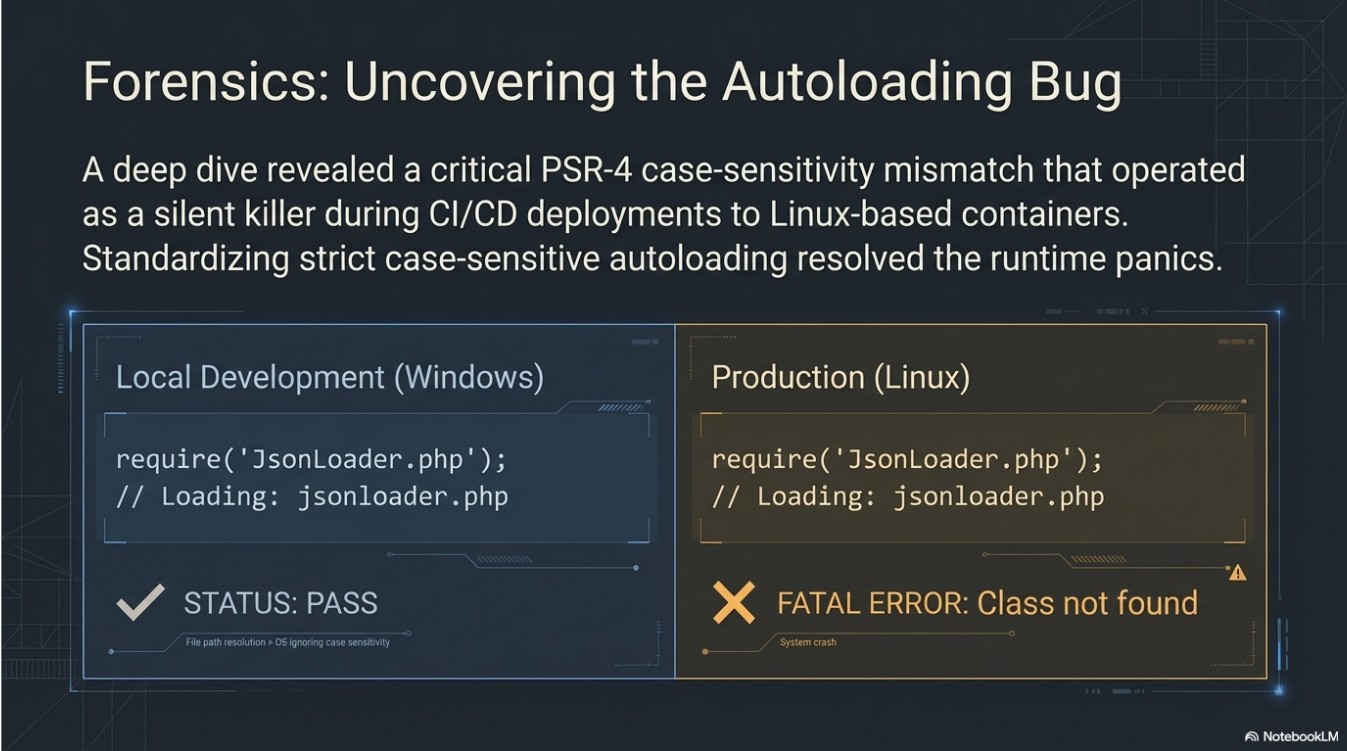
- Environment Discrepancies: Silent failures occurred due to case-sensitivity mismatches between local development and Linux-based container runtimes.
2. Architectural Solution
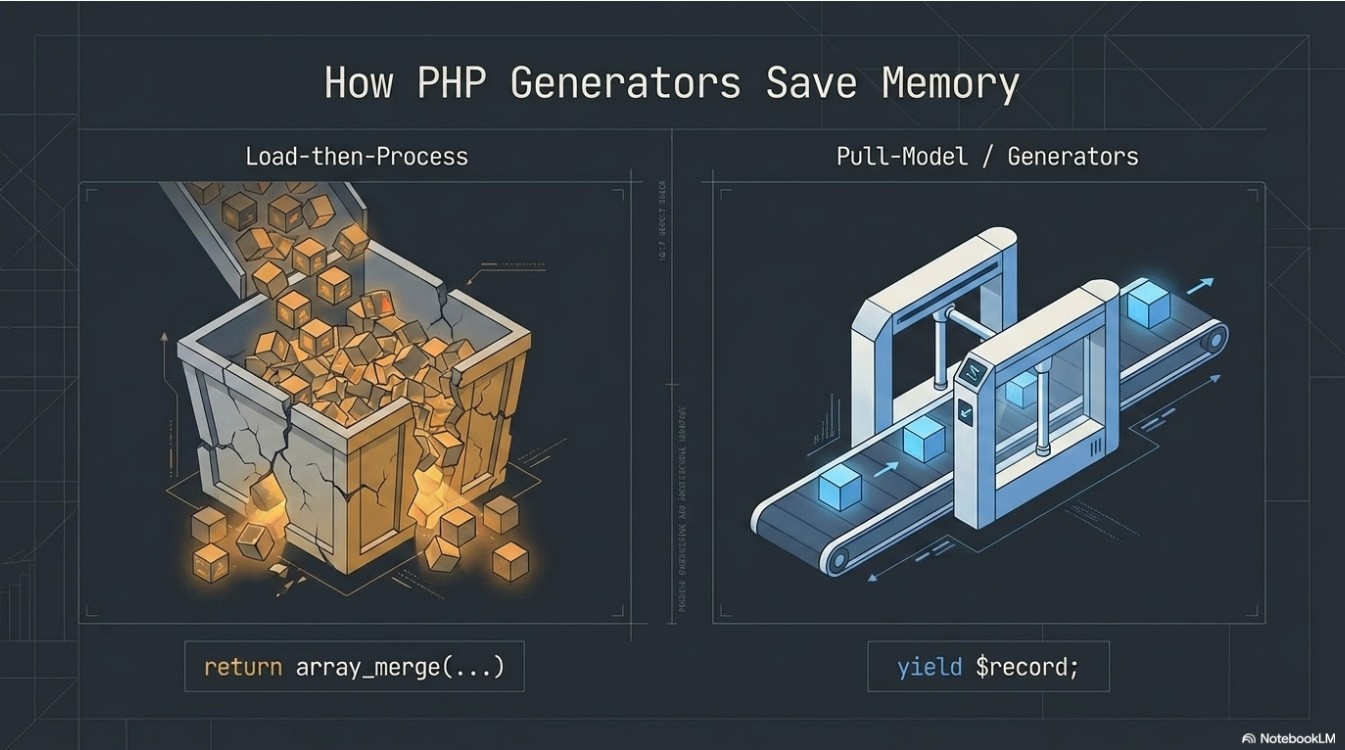
- Memory Optimization (The "Generator" Pattern): Instead of a "Load-then-Process" model, I implemented a Pull-Model pipeline using PHP Generators. This ensured that only one record exists in memory at any given time, regardless of whether the API yields 100 or 100,000 records.
-
Storage Engineering (Parquet vs. JSON):
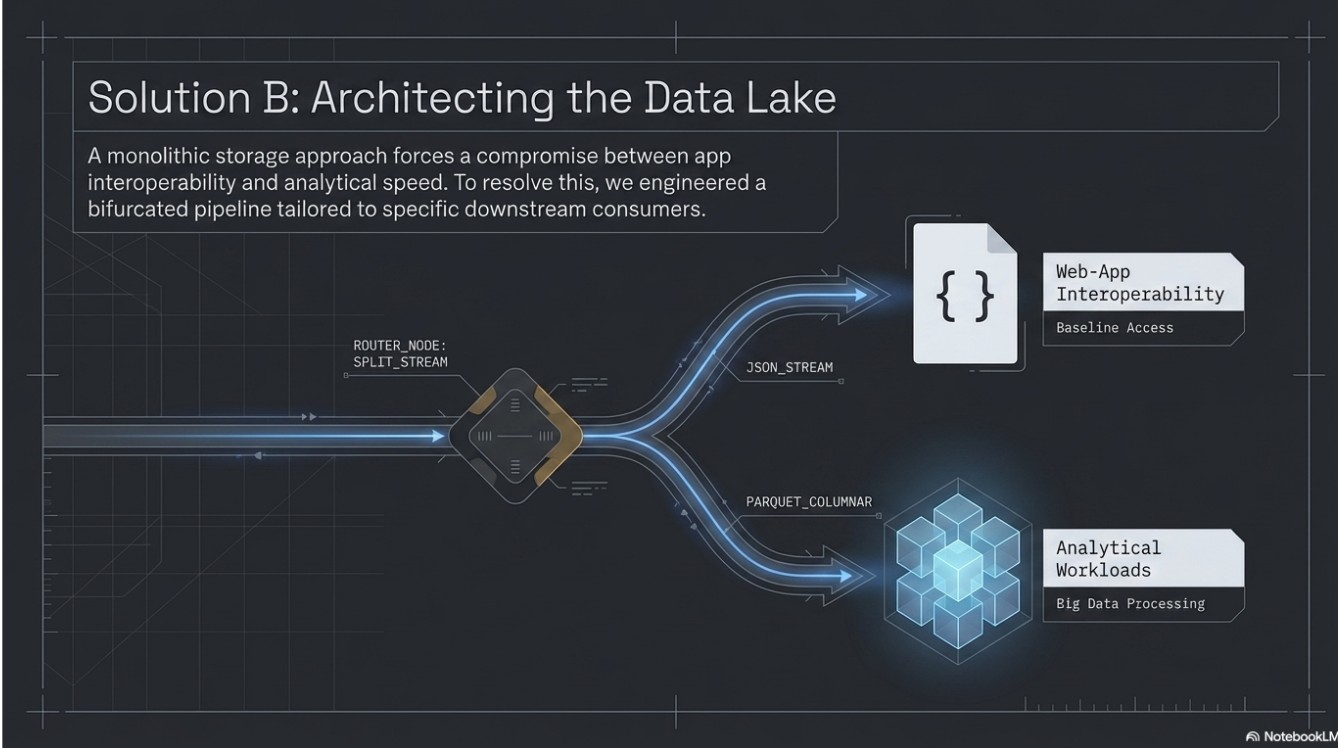
I architected a dual-storage strategy:
- JSON Baseline: Maintained for standard web-app interoperability.
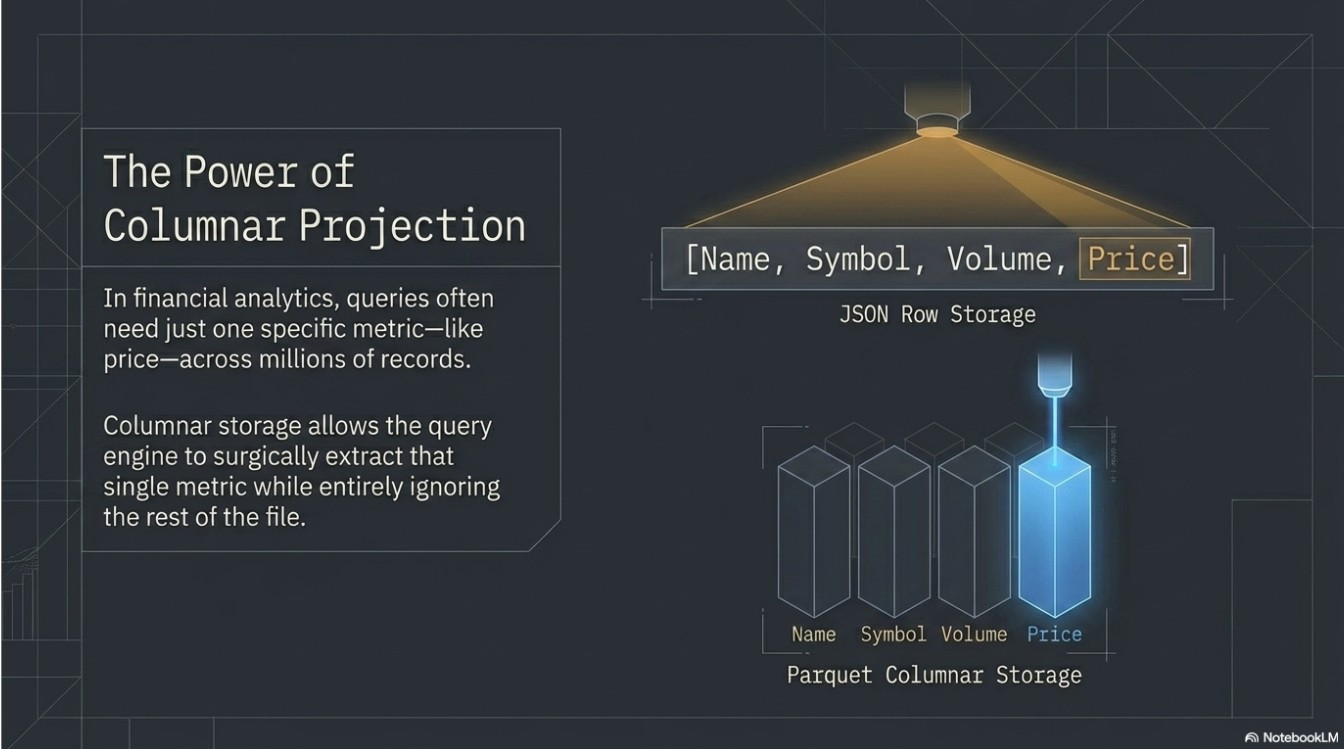
- Parquet Data Lake: Implemented for analytical "Big Data" workloads, leveraging Columnar Storage to allow for high-speed projection and predicate pushdown.
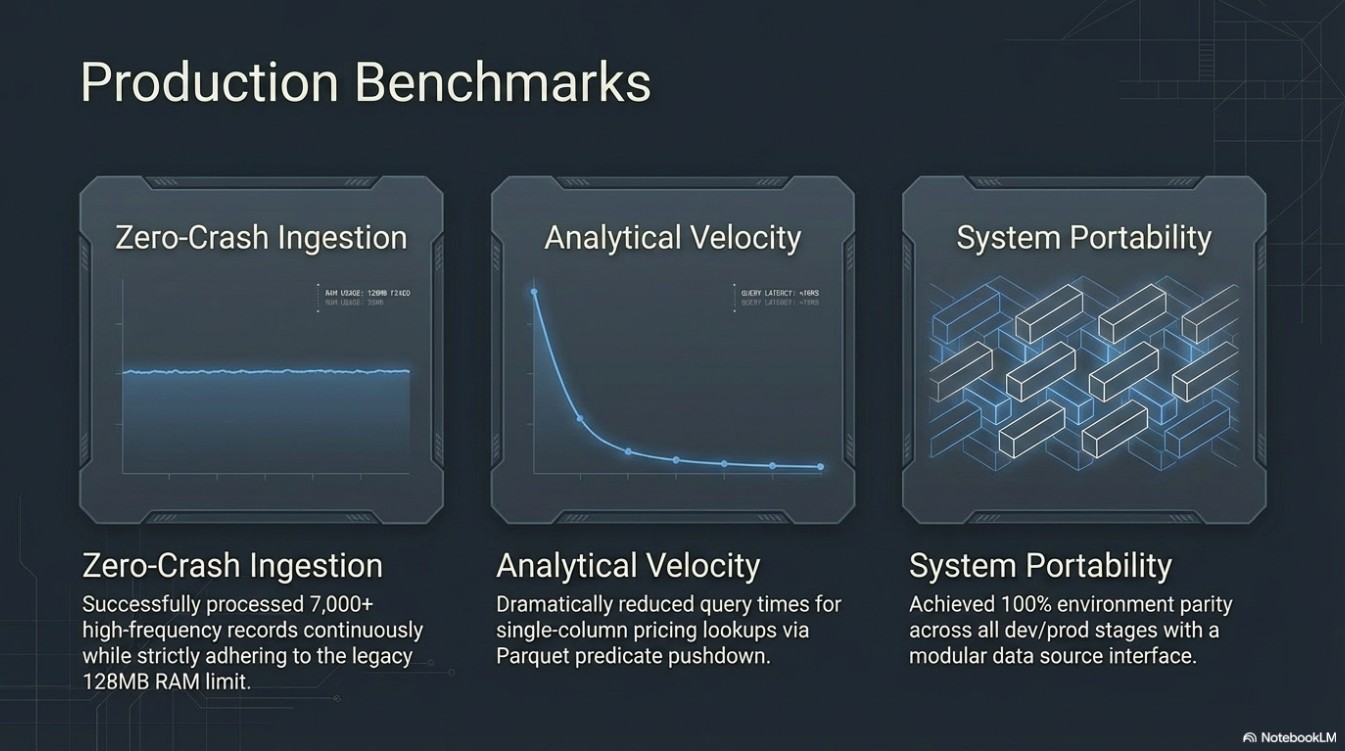
- Defensive Containerization: Utilized Docker-based orchestration to ensure environment parity, resolving PSR-4 autoloading issues caused by Linux/Windows case-sensitivity differences through strict filesystem validation.
3. Technical Deep Dive( The Forensics)
- The Case-Sensitivity Bug: Identified that JsonLoader.php (lowercase 's') was a "silent killer" on Linux containers. Standardized the codebase for strict Case-Sensitive Autoloading.
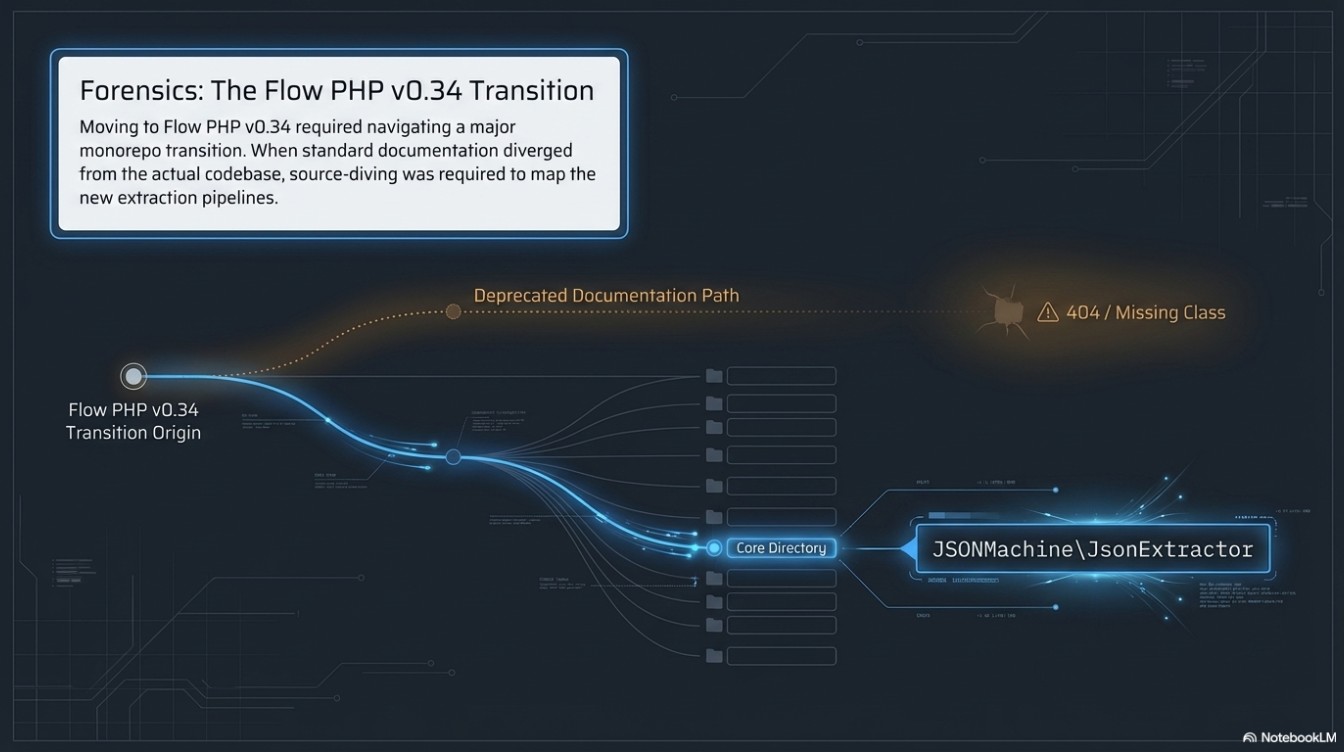
- The Versioning Challenge: Navigated the v0.34 Flow PHP monorepo transition, identifying the internal JSONMachine\JsonExtractor mapping when standard documentation diverged.
4. Final Results & Impact
- Zero-Crash Ingestion: Successfully scaled the ingestion process to 7,000+ records without increasing the 128MB RAM limit.
- Storage Efficiency: Reduced analytical query time for single-column (price) lookups by leveraging Parquet's columnar projection.
- Production Readiness: Created a modular, portable ETL engine that can be swapped to any API or database source with minimal refactoring.